
Why your skin barrier matters more than your skincare routine
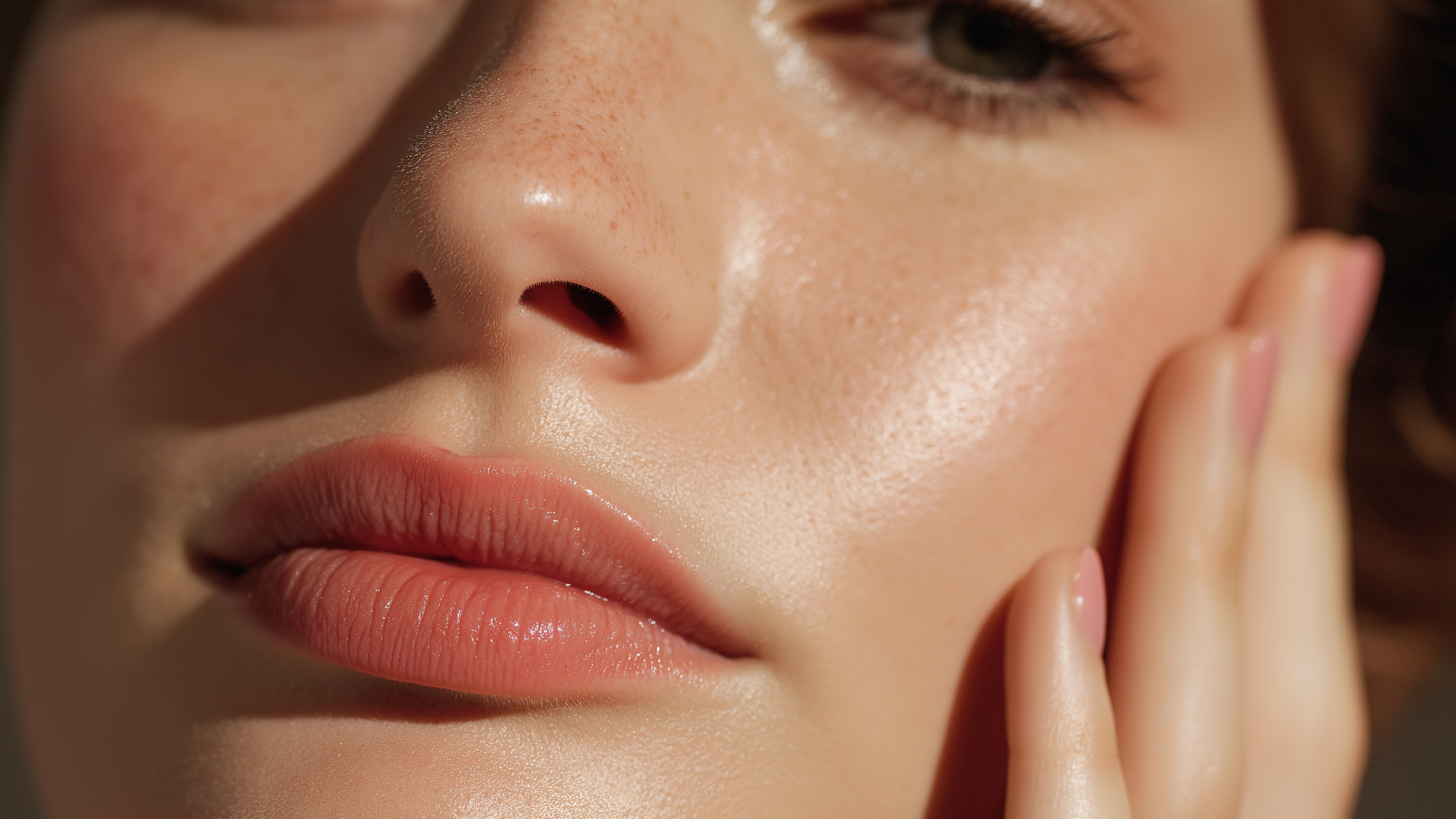
There is a quiet difference between skin that is being cared for and skin that is being managed.
Many people arrive at their skin journey with a collection of products, recommendations, active ingredients and well-intended advice. They may be cleansing carefully, exfoliating regularly, applying serums and still feeling as though their skin is unsettled.
Tightness, redness, stinging, dryness, breakouts, sound familiar? A surface that feels rough one day and reactive the next. When this happens, the answer is not always another product. Often, the place to begin is the skin barrier.
What is the skin barrier?
The skin barrier is the outermost protective layer of the skin. Its role is to help keep moisture in and reduce the impact of external stressors, including irritants, environmental exposure and unnecessary disruption.
When the barrier is functioning well, the skin tends to feel more comfortable, resilient and settled. When it is compromised, the skin may become more reactive. Products that once felt fine may begin to sting. Active ingredients may feel too strong, and makeup may not sit as comfortably (or look as polished!) The skin may feel like it is asking for help, but not always in a clear way.
This is why skin health begins with understanding, and is never about adding “more” product.
Signs your skin barrier may need support
A compromised barrier can present differently from one person to the next.
For some, it looks like dryness, flaking or visible redness. For others, the skin may appear shiny but feel tight underneath. Some people notice rough texture, increased sensitivity or breakouts that seem to worsen the more they try to correct them.
Common signs may include stinging when applying skincare, tightness after cleansing, flushing, dehydration, sensitivity, rough texture or a feeling that the skin is no longer tolerating its usual routine.
These signs do not always mean something serious is happening. But they do suggest the skin may benefit from a more considered approach.
So why is more skincare not always better skincare?
There is a strong pull toward doing more. Many will be tempted to do more exfoliation, more actives, more steps, more frequent or aggresive treatments, but skin does not become healthier simply because it is being asked to do more. In some cases, too much activity can leave the skin overstimulated and less able to function well.
A routine should support the skin. It should not create a cycle where the skin is constantly recovering from the routine itself.
This is especially important when using active ingredients such as exfoliating acids, retinoids, vitamin C or acne-focused products. These ingredients may have a valuable place, but they need to be chosen and introduced with care.
The question is not only, “Is this product good?”
A better question is, “Is this appropriate for my skin right now?”
Skin health is built over time
Healthy skin is not rushed into place. It is built through consistency, patience and treatment planning that respects the skin’s current condition.
There may be times when the skin is ready for more corrective work. There may also be times when the most intelligent decision is to pause, simplify and rebuild tolerance first.
When the skin barrier is supported, the skin is often better prepared for active ingredients and professional treatments. It may respond more predictably, recover more comfortably and become easier to understand.
Why professional assessment matters
It can be difficult to assess your own skin objectively, especially when you have tried many products and feel unsure of what is helping.
A professional skin consultation creates space to look at the whole picture; your skin history, current routine, lifestyle, treatment goals, sensitivity and your tolerance.
This matters because two clients may present with similar concerns, but require very different treatment plans. One skin may be ready for active correction. Another may need barrier support before stronger treatments are introduced.
Good skin care is not only about what can be done, it is about what should be done, and when.
If your skin feels reactive, easily irritated or difficult to understand, a professional skin consultation can help bring clarity to your next steps.